


Smart Wearables for Worker Safety & Connected Operations

Empower frontline personnel with smart wearables for worker safety that enhance communication, operational visibility, and real-time emergency response. From smart helmets and body-worn cameras to rugged smart watches and sensor-enabled devices, Netar delivers connected workforce solutions for mission-critical environments.
Why Are Smart Wearables Essential for Modern Operations?
Improved Worker Safety
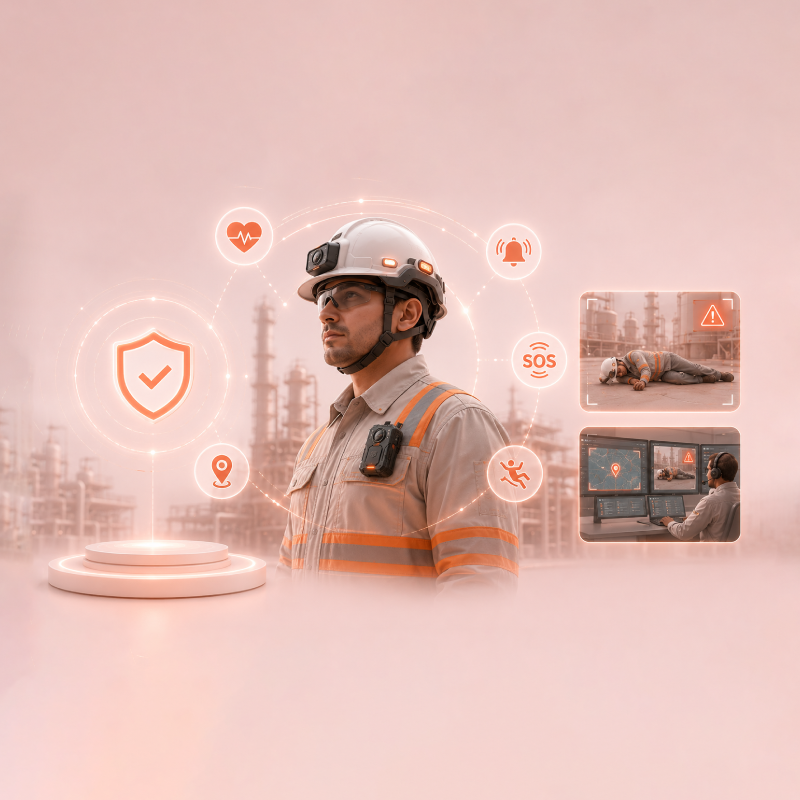
Protect personnel through real-time monitoring, emergency alerts, and proactive safety mechanisms.
Faster Emergency Response
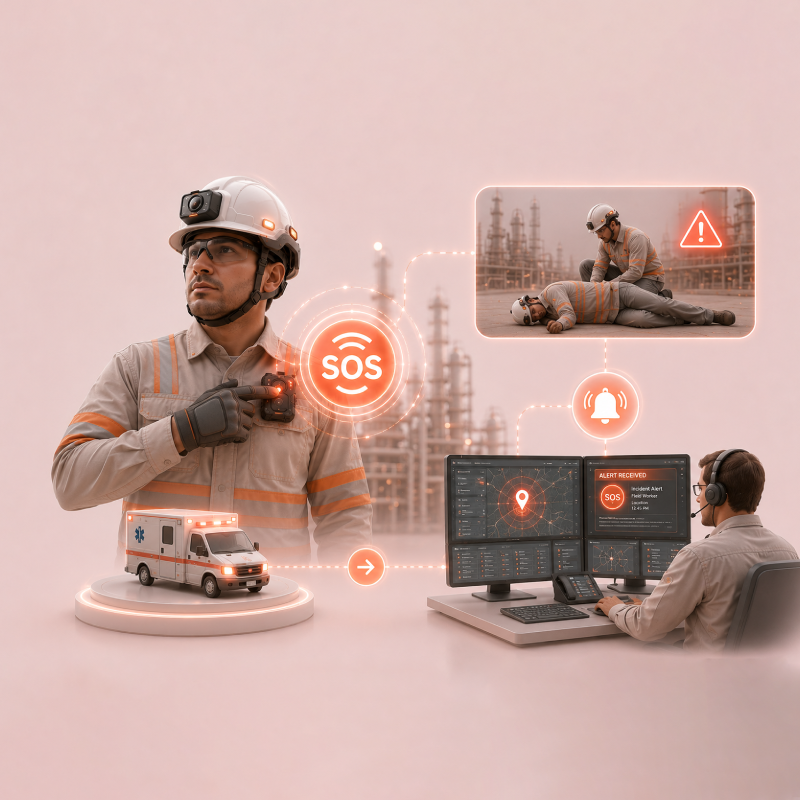
Enable immediate reporting and rapid escalation of incidents through SOS and alert systems.
Enhanced Operational Visibility
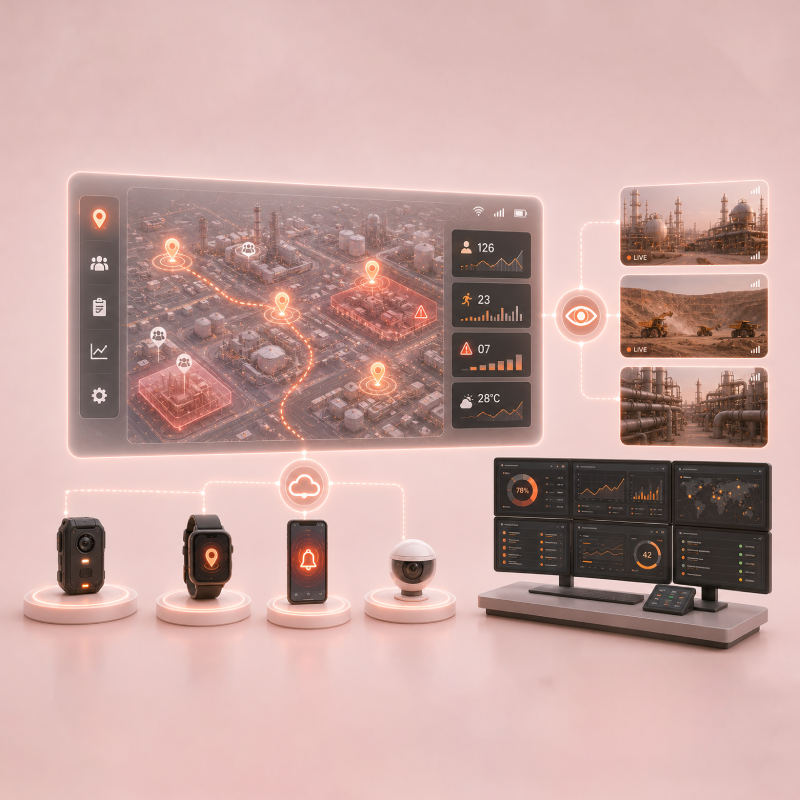
Gain real-time insights into workforce location, activities, and field conditions.
Connected Workforce
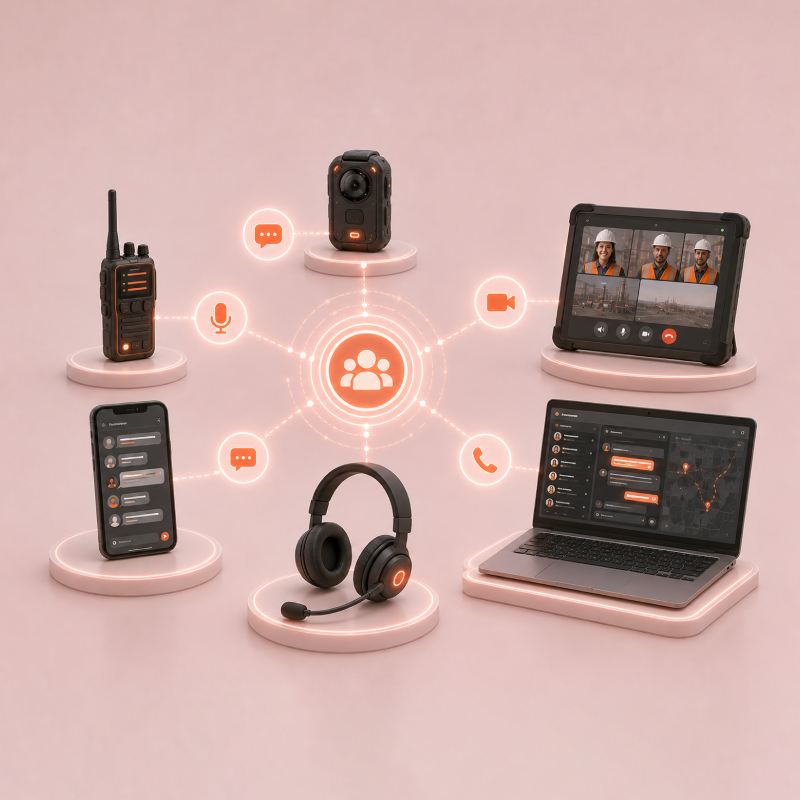
Keep teams connected through voice, video, messaging, and mission-critical communications.
Increased Productivity

Digitize field operations and reduce delays caused by manual reporting and communication gaps.
Better Compliance & Accountability
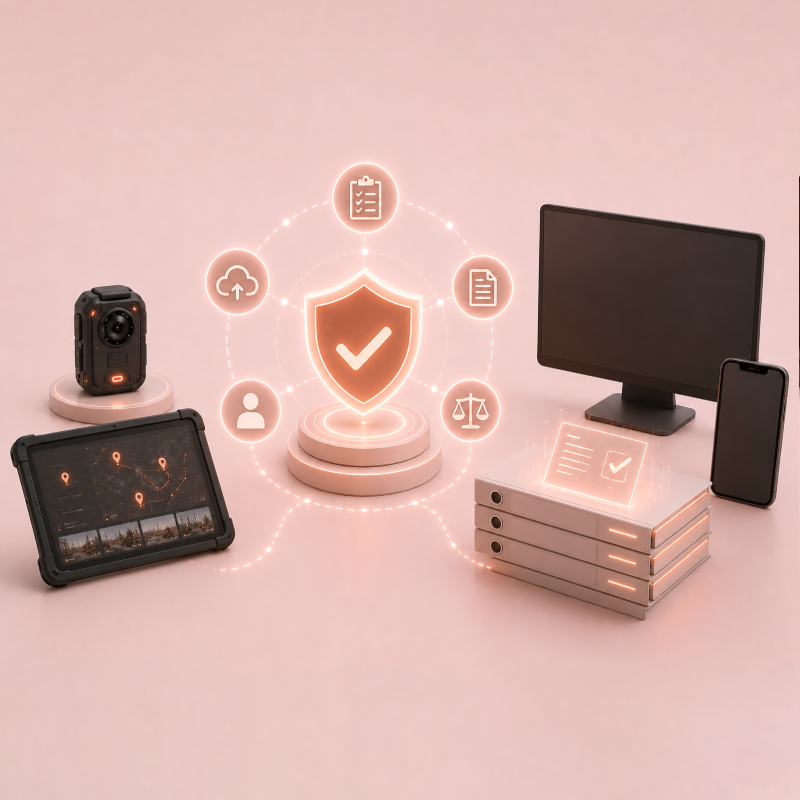
Capture operational data, incident records, and workforce activity for reporting and audit purposes.
Key Capabilities of Our Smart Wearables for Worker Safety
Real-Time Video & Image Capture
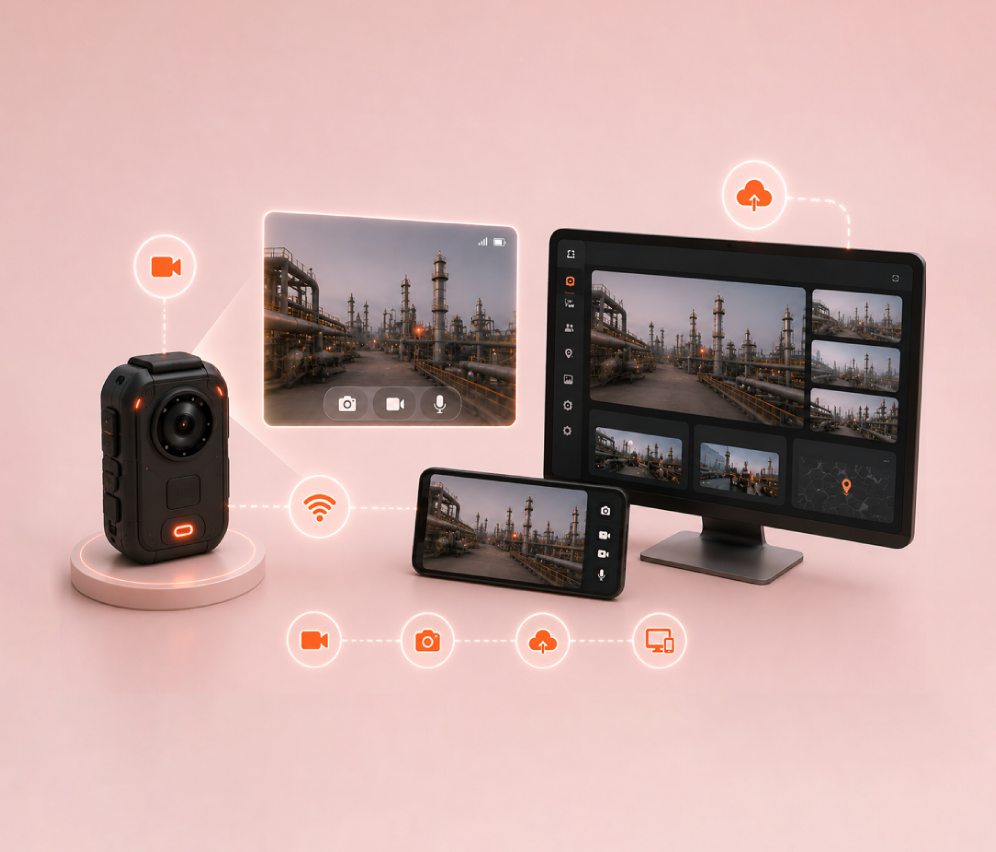
Stream live video and capture field images for remote monitoring, inspections, and incident response. Inspired by the smart helmet's built-in camera and real-time streaming capabilities.
Push-to-Talk (PTT) Communications
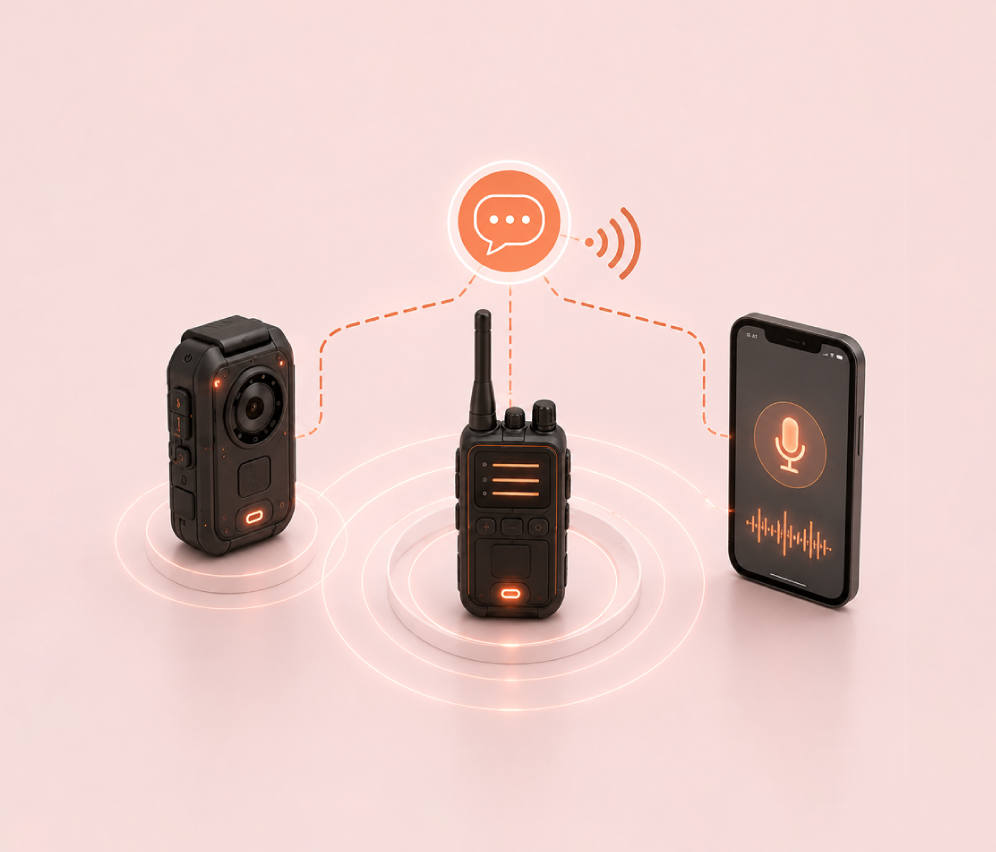
Enable instant communication between field personnel and control centers through dedicated PTT functionality.
Location Tracking & Geofencing
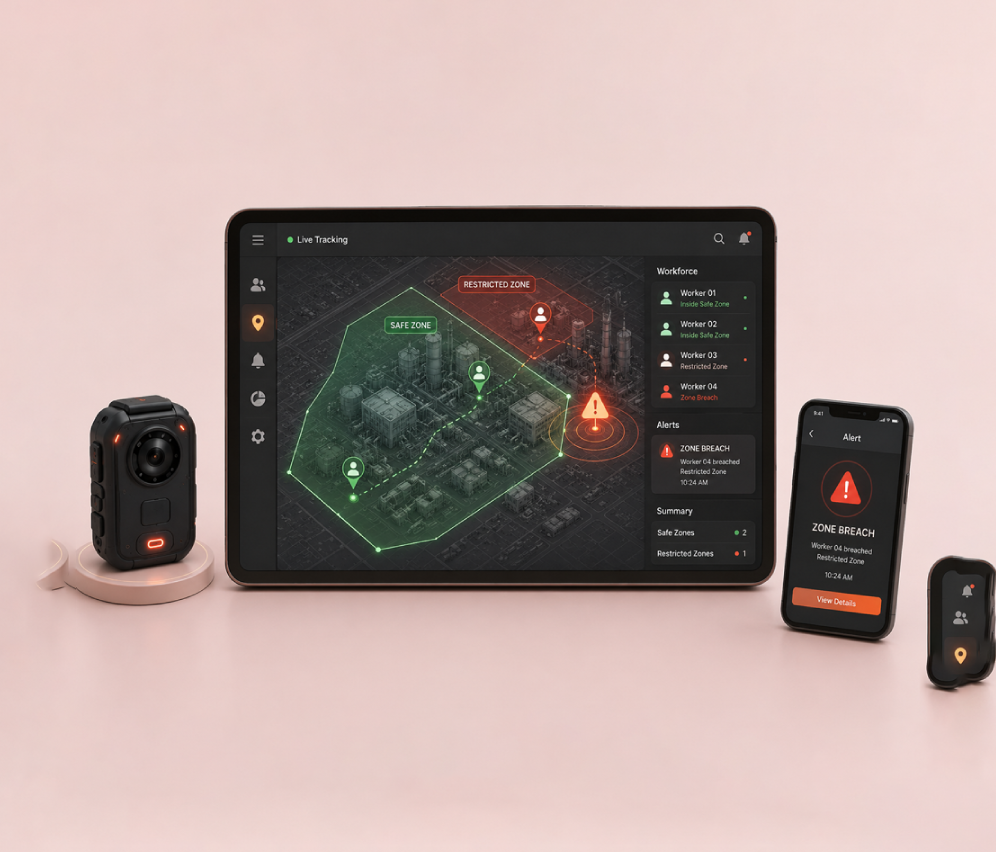
Monitor workforce movement, define safe operating zones, and receive alerts when boundaries are breached.
SOS & Emergency Alerts
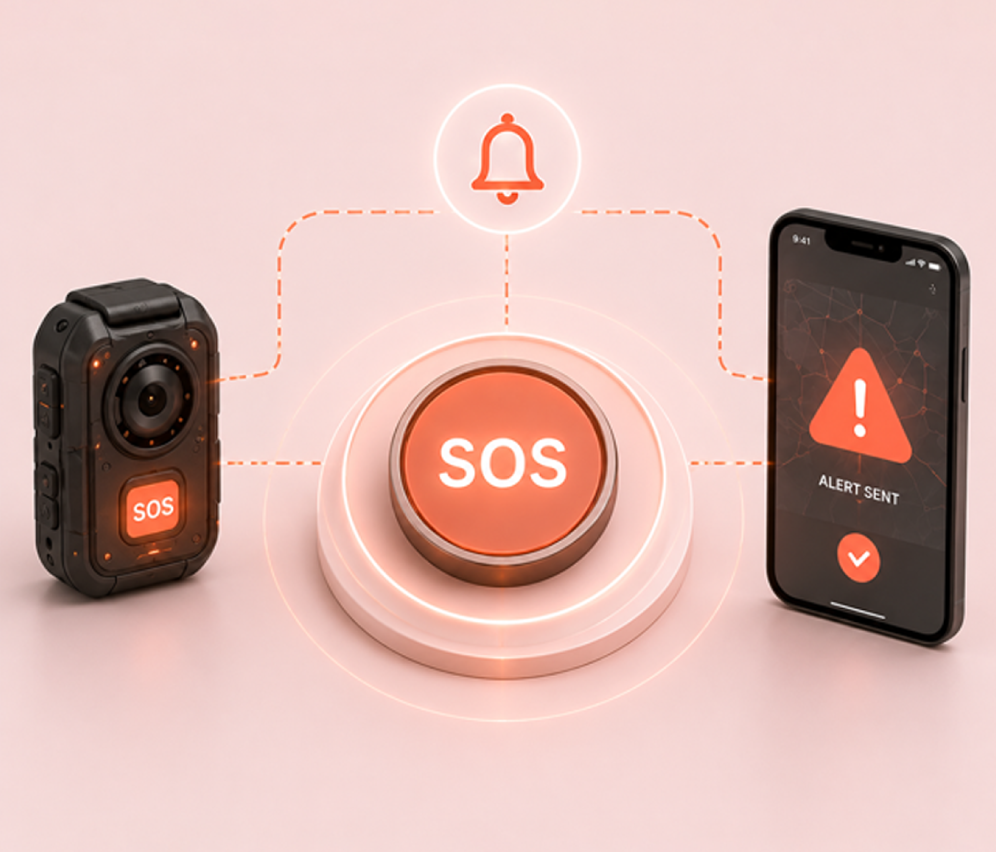
Allow workers to trigger emergency notifications instantly during critical situations.
Worker Health & Safety Monitoring
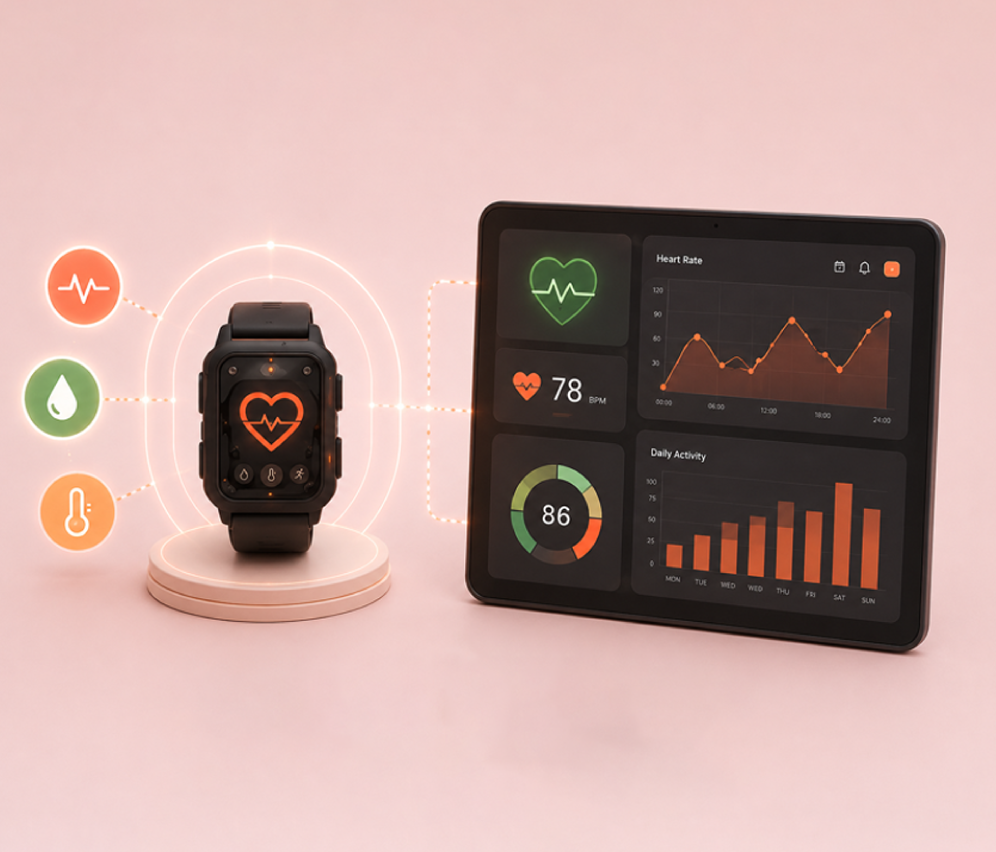
Track environmental and personnel safety indicators through integrated sensors and wearable intelligence. Based on optional health sensors and safety alerts.
AI-Driven Safety Alerts
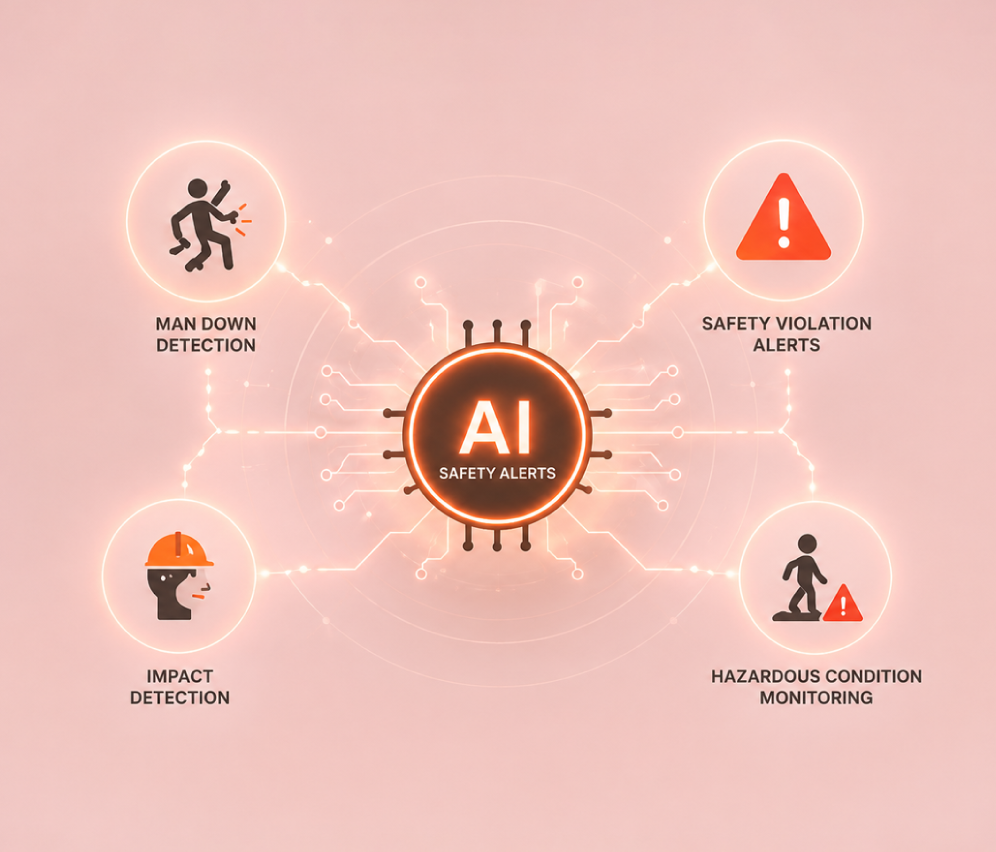
Generate alerts for man-down events, impacts, safety violations, and hazardous conditions.
Explore Our Smart Wearable Portfolio
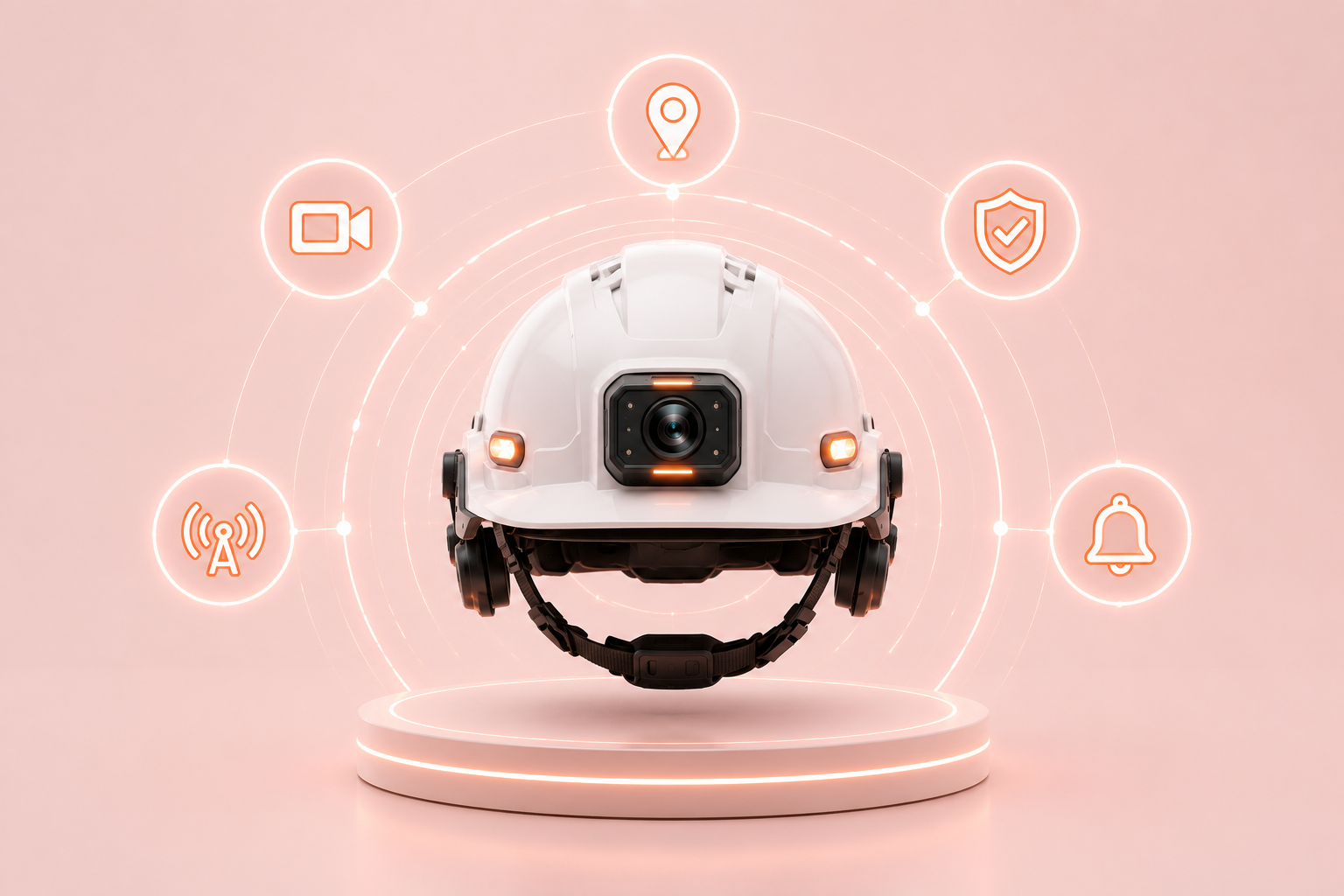
Smart Helmets
Combine communication, video streaming, location tracking, and safety monitoring in a single rugged device.
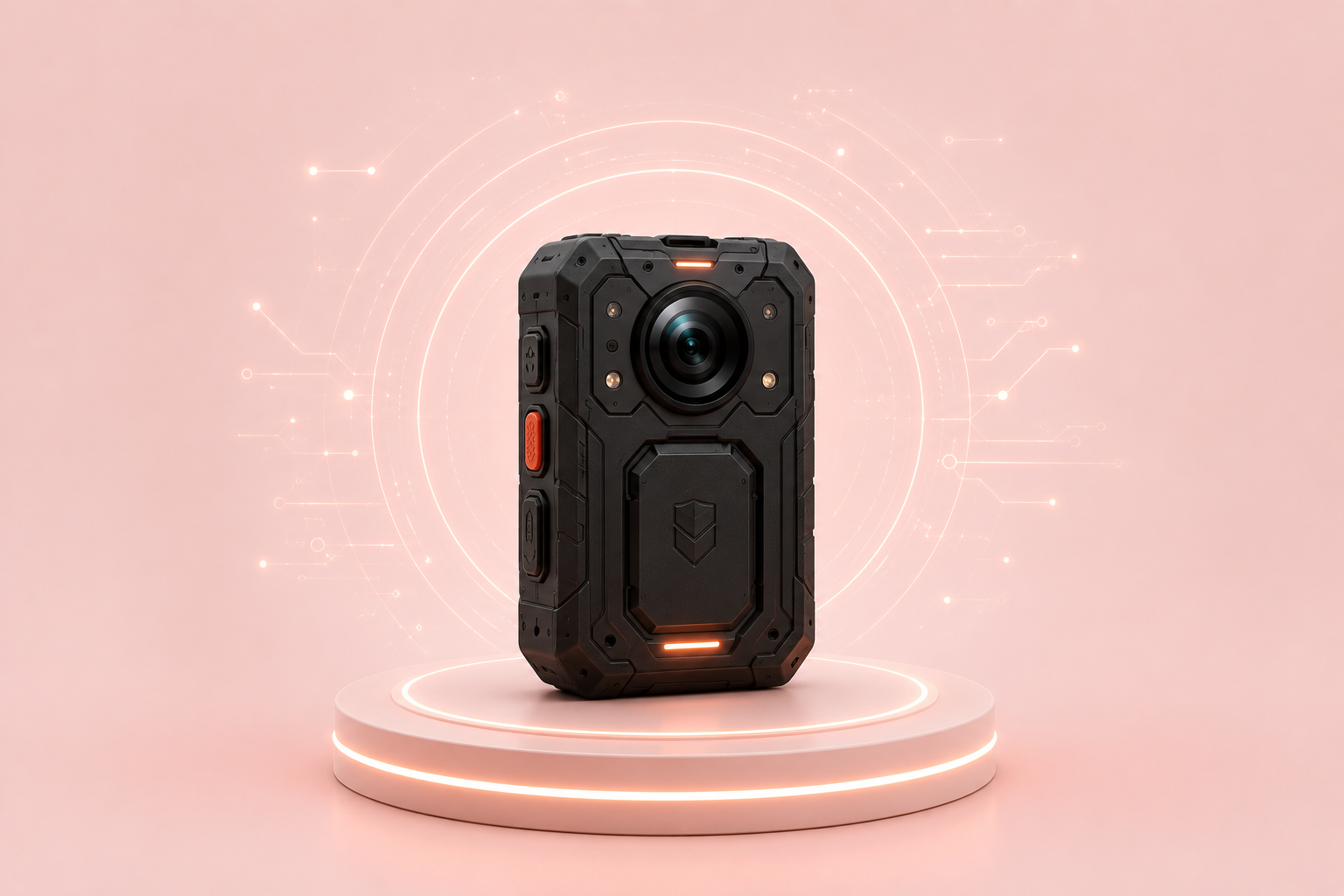
Body-Worn Cameras
Capture real-time field activity, support evidence collection, and enhance operational transparency.
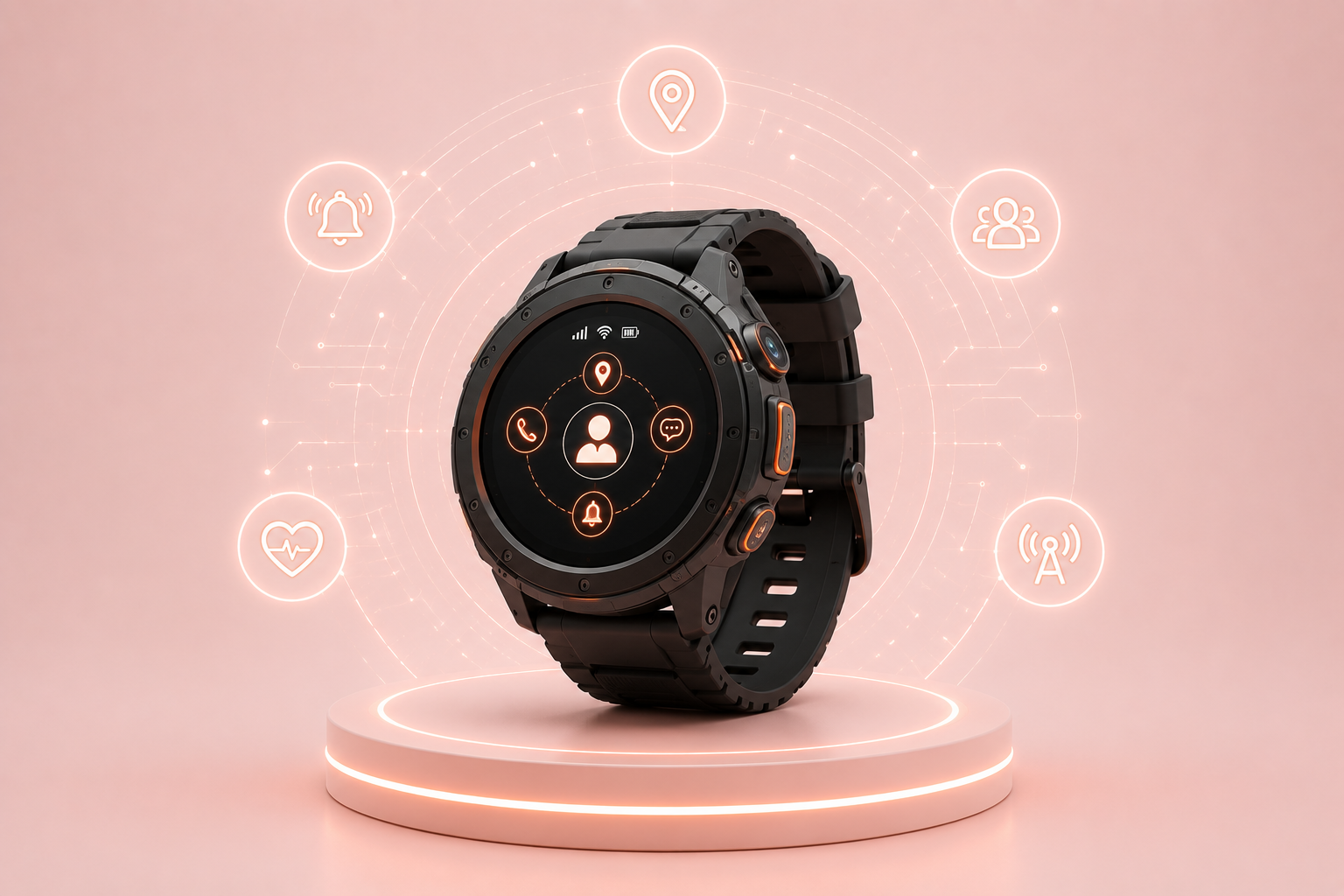
Smart Watches
Provide instant alerts, workforce monitoring, location awareness, and emergency communication capabilities.
How Do Smart Wearables Work?

Capture Field Data
Collect video, voice, location, and sensor information directly from wearable devices.

Connect Through Secure Networks
Transmit information securely over LTE, 5G, private networks, or Wi-Fi infrastructure.

Monitor Operations
Provide supervisors and command centers with real-time workforce visibility.

Detect & Alert
Identify safety incidents, operational risks, and emergency situations automatically.

Enable Rapid Response
Deliver actionable information to the right personnel for faster decision-making and intervention.
Industries We Serve

Power Grids
Enabling smarter grids and safer utility networks with AI-driven insights, automation, and mission-critical connectivity.


Frequently Asked Questions (FAQs)
Netar Smart Wearables for Worker Safety are connected devices designed to enhance worker safety, communication, and operational visibility. The portfolio includes smart helmets, body-worn cameras, smart watches, and other intelligent field devices.
Depending on the device, features may include SOS alerts, man-down detection, impact alerts, geofencing, location tracking, and environmental monitoring.
Yes, selected devices support real-time video streaming and image sharing, enabling remote inspections, monitoring, and incident management.
Yes, wearables can support Push-to-Talk (PTT), voice communications, emergency notifications, and integration with mission-critical communication platforms.
Depending on the device, connectivity options may include LTE, 5G, Wi-Fi, Bluetooth, and private wireless networks.
Industries such as mining, oil & gas, energy, utilities, construction, railways, manufacturing, defence, and public safety can significantly improve worker safety and operational efficiency through wearable technologies.