


Enemy Profiler: AI-Powered Threat Detection & Intelligence Platform

Reshape surveillance data into actionable intelligence with Netar’s AI threat detection platform, featuring real-time threat detection, facial recognition, geospatial correlation and multi-source monitoring. Designed for defence, border security, law enforcement, and critical infrastructure operations.
Why Is Enemy Profiling Critical for Modern Operations?
Threat Identification

Know the moment a threat appears.
Faster Response & Decision-Making

Turn intelligence into action without delay.
Reduced Manual Monitoring Effort

Let AI watch thousands of feeds so your teams can focus on what matters.
Enhanced Situational Awareness

See the complete operational picture in real time.
Geospatial Intelligence & Tracking

Track movements, patterns, and threats on an interactive map.
Adaptable to Evolving Threat Landscapes

Stay ahead with AI models that learn and evolve alongside emerging threats.
Core Capabilities of Our AI Threat Detection Platform
Real-Time Face Recognition

Identify known persons of interest across CCTV, drone, and bodycam feeds with instant alert generation.
Unidentified Person Detection

Automatically detect and flag unrecognized individuals entering restricted or sensitive areas.
Object & Asset Detection
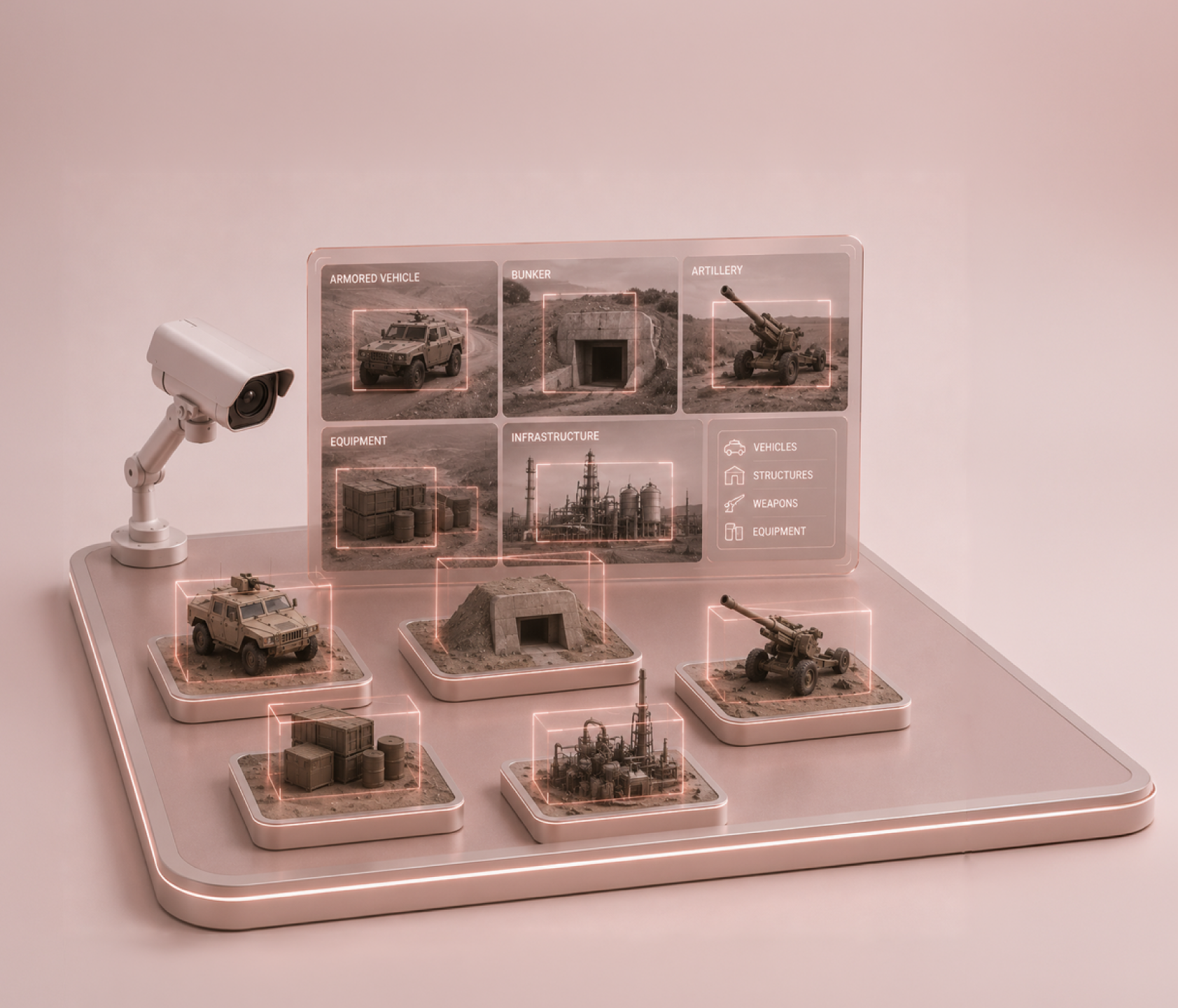
Detect mission-specific objects such as vehicles, bunkers, artillery, equipment and infrastructure assets
Geospatial Correlation
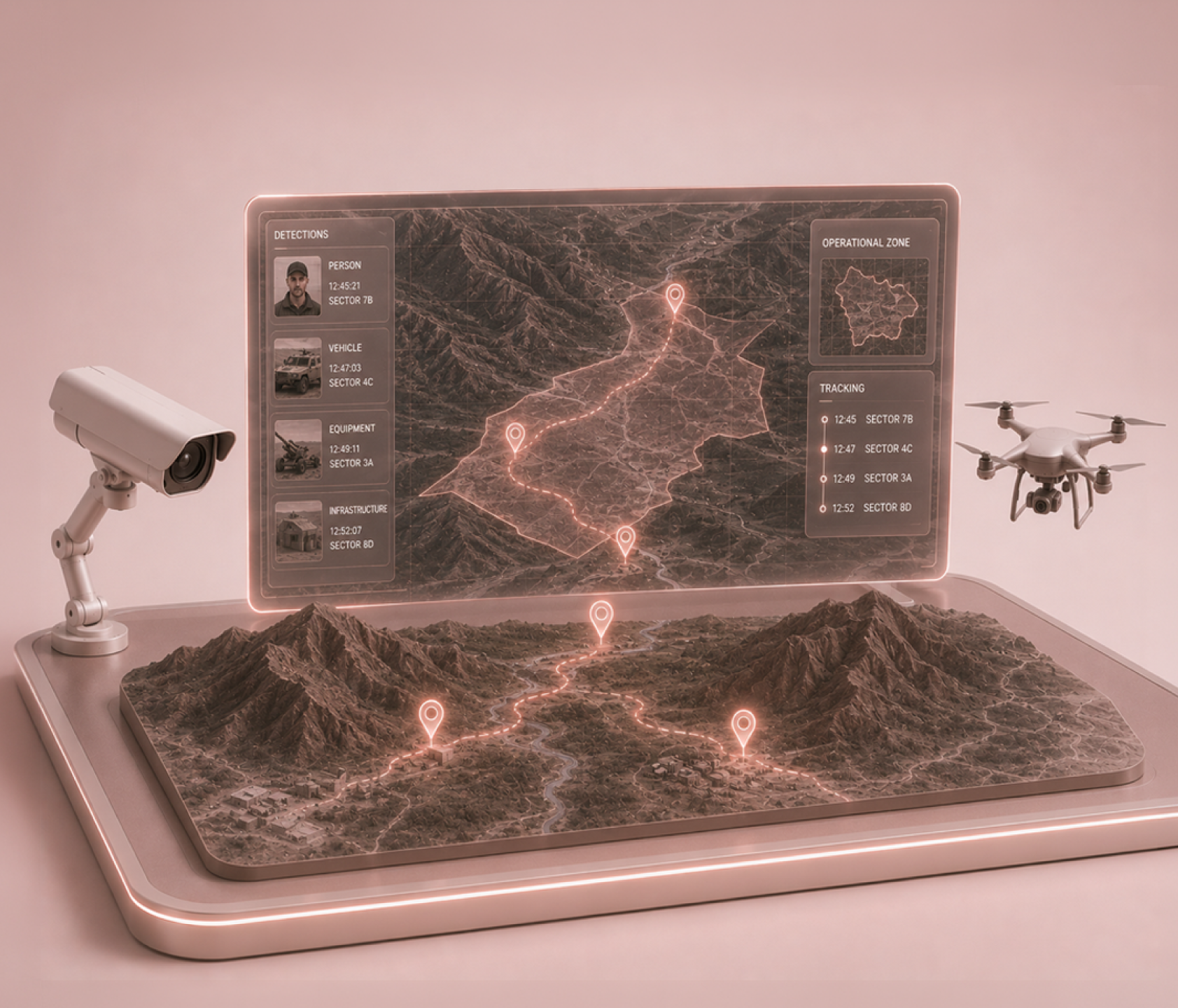
Map detections to real-world locations and visualize movements across operational zones.
Visual Intelligence Search

Upload an image and instantly search across historical intelligence repositories and surveillance records.
Multi-feed Monitoring

Monitor multiple live streams simultaneously from CCTV networks, drone feeds, body cameras and perimeter surveillance systems
How Enemy Profiler Works?

Data Ingestion
Collect data from cameras, drones, bodycams, and intelligence repositories.

AI-Powered Analysis
Our AI threat detection platform applies facial recognition, object detection, pattern recognition, and behavioral analysis to identify and correlate potential threats in real time.

Correlation Engine
Link detections with profiles, historical events, and geospatial data.

Intelligence Visualization
Present actionable insights through command dashboards, maps, alerts, and event logs.

Operational Response
Enable security teams to respond rapidly to emerging threats and suspicious activity.
Frequently Asked Questions (FAQs)
Netar Enemy Profiler is an AI threat detection platform that enables real-time identification, tracking, and analysis of people, vehicles, objects, and suspicious activities across multiple surveillance sources.
The platform integrates with CCTV networks, drones, body cameras, fixed surveillance systems, and intelligence databases.
Yes. Enemy Profiler can be deployed in fully disconnected and highly secure defence environments without internet connectivity.
Yes. The platform can be trained on mission-specific datasets including personnel, vehicles, infrastructure, and unique operational threats.
Yes, the platform uses geospatial correlation to track movements and visualize threat activity across regions and operational zones.
Yes, it is designed for military, border security, intelligence, law enforcement, and critical infrastructure protection use cases.
It supports edge, on-premise, private cloud, hybrid cloud, and air-gapped deployments.